escaperx-favicon

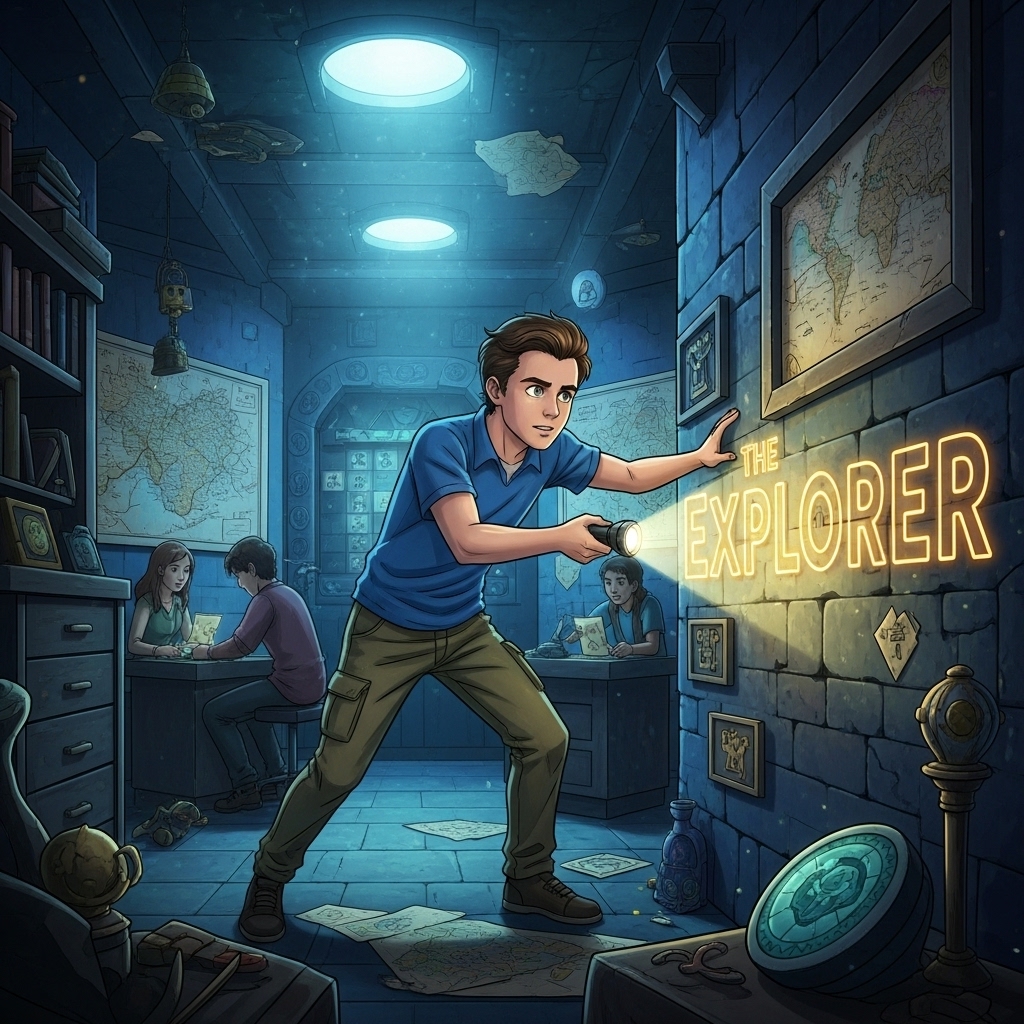
The Explorer

Ventures into every corner, always searching for new areas to investigate.

Escapers

members
1 Escapers USING THIS PERSONA
QR Code icon

Assign Persona Instantly

Scan the QR code to link and assign this persona seamlessly.
Quick, secure, and effortless your persona is just one scan away.

QR Code

The Explorer: The Adventurous Investigator ๐Ÿงญ

Escape rooms are built on discovery. Every puzzle, hidden key, or overlooked detail has the potential to unlock progress. Among the many personas that bring energy and balance to a team, one stands out for their natural curiosity and unrelenting drive to search: the Explorer, also known as the Adventurous Investigator ๐Ÿ” ๐Ÿงฉ.


Where the Thinker thrives on logic, the Workhorse on consistency, and the Challenger on questioning assumptions, the Explorer’s unique contribution lies in their willingness to push into the unknown โ“, turn over every stone, and uncover secrets others miss. Without them, many escape teams would leave critical clues undiscovered ๐Ÿšช ๐Ÿงฉ.

Who Is the Explorer in Escape Rooms? ๐Ÿ—„ ๏ธ

The Explorer is inquisitive, curious, and adventurous. They are the team members who can’t resist opening every drawer, scanning every corner, and examining even the tiniest details ๐Ÿงญ ๐ŸŒŸ.


They aren’t always the ones solving puzzles, but they are the ones feeding the solvers with the raw materials needed to progress. An Explorer’s presence is often the difference between finding a vital clue in the first five minutes versus wasting half the game searching ๐Ÿ›  ๏ธ ๐Ÿง .


Key traits of an Explorer:

  • ๐Ÿ” Curious: Always looking for hidden objects, codes, or secrets.
  • โšก Energetic: Quick to move around the room and investigate.
  • ๐Ÿ‘€ Observant: Notices small details that others overlook.
  • ๐Ÿงฐ Resourceful: Provides the team with critical items that drive puzzle-solving.
  • ๐Ÿง— Adventurous: Unafraid to check odd places or unconventional hiding spots.

The Explorer’s personality type is often mirrored in real life people who love adventures ๐Ÿ—บ ๏ธ, scavenger hunts, or simply poking around to see what others miss ๐ŸŽ’.

Discovery sparks through playful scrutiny.
Inquiry deepens through layered discovery.

What Does the Explorer Do in Escape Rooms?

The Explorer’s primary contribution is discovery ๐Ÿงฉ ๐Ÿšช. They provide the team with the raw materials that lead to breakthroughs.


Core responsibilities of an Explorer:

  • ๐Ÿ” Searches Diligently: They scan books, props, and room features for patterns, codes, or compartments.
  • ๐Ÿ•ต ๏ธ‍โ™€ ๏ธ Finds Hidden Clues: They specialize in uncovering objects hidden under rugs, behind paintings, or inside locked containers.
  • โšก Encourages Exploration: Their enthusiasm inspires others to keep looking and double-check areas.
  • ๐Ÿš€ Keeps the Team Moving: In moments of stagnation, the Explorer reignites momentum by uncovering new material to work with.
  • ๐Ÿค Connects Discoveries to Team Efforts: They hand off found items to teammates who can analyze or solve them.

An Explorer doesn’t have to be the one cracking codes; instead, they fuel the puzzle-solvers by continuously bringing in resources ๐Ÿ”‹ ๐Ÿง  ๐ŸŽฏ.

Why Does a Team Need an Explorer in Escape Rooms? ๐Ÿ”

Without an Explorer, many teams risk missing essential objects ๐Ÿšช ๐Ÿ•ฐ ๏ธ, wasting time, or failing to fully utilize the room’s design.


Reasons an Explorer is vital:

  • ๐Ÿ”Ž Hidden Clues Are Everywhere: Escape rooms often hide keys, UV codes, or compartments in places that require active searching.
  • ๐Ÿงฌ They Reduce Stagnation: When solvers are stuck, new discoveries re-energize the team.
  • ๐Ÿ‘€ Prevent Oversights: The Explorer ensures nothing is ignored, overlooked, or forgotten.
  • โš– ๏ธ Balance of Roles: Not everyone is built for intense logical puzzles. Explorers thrive by handling physical searching and observation, freeing others to solve.

Simply put: No Explorer, no progress. Teams that lack one often spend more time re-checking obvious areas or miss critical tools entirely โ›” ๐Ÿงญ.

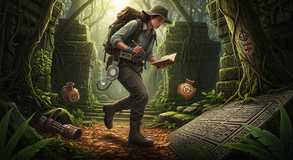
Curiosity leads through enchanted terrain.
Wisdom awakens beneath mossed stone.

When Does the Explorer Shine in Escape Rooms? ๐Ÿงฉ โœจ

Explorers shine at specific stages of the game and in certain types of puzzles. โฑ ๏ธ

  • ๐Ÿงญ At the Beginning: They quickly sweep the room and uncover the first set of clues, setting the pace for the game.
  • ๐ŸŒ€ During Stagnation: When momentum slows, their curiosity often leads to the breakthrough that reignites progress.
  • ๐Ÿงฑ In Search-Heavy Rooms: Some escape rooms are designed with multiple hidden objects or secret compartments, where Explorers thrive.
  • ๐Ÿ”„ Throughout the Game: Their consistent searching ensures no clue is missed, even in the final moments.

An Explorer’s ability to uncover something new at just the right moment often makes the difference between escaping and running out of time ๐ŸŽฏ ๐Ÿ•ฐ ๏ธ.

Where Does the Explorer Make the Biggest Impact? ๐Ÿง  ๐Ÿงญ

Explorers are most valuable in environments that reward curiosity and investigation.

  • ๐Ÿ”Ž Hidden Object Puzzles: When progress depends on finding small or concealed items.
  • ๐Ÿฐ Large or Multi-Room Games: Bigger environments mean more opportunities for hidden compartments.
  • ๐ŸŽญ Thematic Rooms with Many Props: Explorers thrive in settings filled with interactive objects, from haunted houses to treasure hunts.
  • ๐Ÿง™‍โ™‚ ๏ธ Team Balance Situations: When others are solving, the Explorer keeps the pipeline of discoveries flowing.

In short: the more hidden elements in the room, the more essential the Explorer becomes ๐Ÿ— ๏ธ.

How Can You Be a Better Explorer in Escape Rooms? ๐Ÿง  โœจ

Like any persona, the Explorer can grow stronger with practice. Here are ways to enhance the role ๐Ÿ”:

Embrace Curiosity  ๐Ÿงญ

Approach each room with a mindset that anything could hide a clue.

Be Systematic  ๐Ÿ‘€

Search methodically instead of randomly. Check high, low, left, right, and behind.

Communicate Finds Clearly  ๐Ÿ“

Announce every discovery and hand it to teammates instead of pocketing or forgetting it.

Encourage Team Exploration  ๐Ÿ“ฃ

Invite others to double-check your searches; two sets of eyes are better than one ๐Ÿงฉ.

Reflect on Discoveries  ๐Ÿชž

After each game, review how your exploration contributed. Did you miss spots? Were you thorough enough ๐Ÿ” ๐Ÿ“Š?

Final Thoughts: Importance of Explorer  ๐Ÿ— ๏ธ ๐Ÿงฉ

Escape rooms are designed as worlds of mystery, filled with hidden objects, secret compartments, and clues that can only be uncovered by those willing to dig deeper ๐ŸŽฏ. While logic, persistence, and strategy all play critical roles in solving puzzles, none of these strengths matter if the clues themselves are never discovered in the first place ๐Ÿงญ ๐ŸŒŸ. This is where the Explorer the Adventurous Investigator proves indispensable. With boundless curiosity, energy, and an insatiable drive to uncover what lies hidden, the Explorer ensures that the team has the raw material it needs to succeed โšก.


At the heart of the Explorer persona is a love for discovery. Where others may focus narrowly on solving puzzles already in hand, the Explorer thrives on searching every corner of the room ๐Ÿ’ก ๐Ÿง , testing every lock, and examining every detail. Their natural instinct is to ask: What haven’t we found yet? What’s still hidden from view? This mindset transforms the escape room from a static environment into a dynamic playground of possibilities. Without the Explorer, vital clues risk remaining unnoticed, tucked away in obscure places or overlooked amidst the rush ๐Ÿ—„ ๏ธ ๐Ÿ”. With the Explorer, however, the team is constantly fed with new insights and objects that propel progress forward ๐ŸŒŒ.


The Explorer’s contributions go beyond simple searching; they embody persistence and creativity in investigation ๐Ÿง—‍โ™‚ ๏ธ ๐ŸŽจ. Escape room designers often place clues in unexpected locations or disguise them within everyday objects. The Explorer’s relentless curiosity ensures that these secrets do not remain buried. They are the ones opening drawers that others ignored, flipping over objects to check the undersides, or testing out unusual ideas such as examining shadows, sounds ๐Ÿ–ผ ๏ธ, or physical interactions with the room itself. This tireless approach minimizes oversights and maximizes opportunities, greatly increasing the team’s chances of piecing together the full puzzle ๐Ÿ”ฆ ๐Ÿ”Š.


Equally important, the Explorer provides energy and momentum. Their enthusiasm for searching is contagious, inspiring the rest of the team to remain engaged and active. When fatigue or frustration threatens to slow progress, the Explorer’s excitement for discovery reinvigorates the group. Each new find no matter how small becomes a spark of motivation, reminding everyone that progress is possible and that the solution is always one step closer. This energy keeps the team moving forward, preventing stagnation and ensuring that time is used productively.


The Explorer also plays a vital role in team dynamics by serving as the bridge between discovery and problem-solving โšก. While they may not always be the one to solve the puzzles, their constant uncovering of clues provides the raw material that others the Thinker, the Challenger, the Creative can then analyze, question, or innovate upon โณ. In this way, the Explorer acts as the team’s eyes and hands, gathering the resources needed for intellectual breakthroughs. Their discoveries fuel the strategies ๐Ÿค ๐Ÿ”ฅ, logic, and creativity of the other personas, ensuring that the entire team can function at its best.


Another defining trait of the Explorer is their ability to encourage exploration in others ๐Ÿค. By modeling curiosity and openness, they remind the team not to settle for the obvious or the surface-level. Their adventurous spirit pushes the group to go beyond comfort zones, try unconventional ideas, and engage with the room in new ways. This collective exploration often leads to surprising insights that might otherwise have been missed โ“. In essence, the Explorer not only contributes through their own discoveries but also by fostering a culture of curiosity and thoroughness within the team ๐Ÿ’ฌ ๐Ÿš€.


It is important to recognize that while the Explorer may not always shine in moments of logical deduction or final breakthroughs ๐ŸŒ, their role is no less essential. Escape rooms are holistic challenges where success depends on the integration of many contributions ๐Ÿง  ๐Ÿ”„. A brilliant solution is meaningless without the clues that make it possible. The Explorer ensures that the team always has those clues, preventing dead ends and keeping possibilities open. Their work may sometimes go unnoticed in the thrill of solving puzzles, but without their investigative drive, the path to victory would likely remain blocked โœจ ๐Ÿ•ต ๏ธ‍โ™€ ๏ธ.

Users with this Persona

Rookie Escaper II

Jessica Bernard

The Explorer

Love this Persona? Make It Yours!

Do you see yourself in this persona?
Click below to add it to your profile and show the community who you are!

Claim This Persona

More Personas

The Finder

Has a knack for locating hidden objects that others miss.

The Scavenger

Skilled at gathering all the materials and clues needed to escape.

The Workhorse

Keeps going tirelessly, putting in consistent effort throughout the game.

The Lock Keeper

Excels at unlocking physical or mental locks in escape rooms.

The Linear Thinker

Focused, methodical, and never skipping a step. The Linear Thinker tackles escape rooms with structure and logic, moving from clue to clue with precision.

The Time Keeper

Keeps a sharp eye on the clock, pushing the team to beat the deadline.

Escaperx Agent