escaperx-favicon

The Thinker

Deliberates carefully before making decisions, focusing on logic.

Escapers

members
1 Escapers USING THIS PERSONA
QR Code icon

Assign Persona Instantly

Scan the QR code to link and assign this persona seamlessly.
Quick, secure, and effortless your persona is just one scan away.

QR Code

The Thinker: The Logical Deliberator ๐Ÿค” ๐Ÿง 

Escape rooms are thrilling, time-bound adventures that challenge players to solve puzzles, uncover mysteries ๐ŸŽข, and collaborate under pressure. Teams succeed not because of one individual’s brilliance, but because each player brings unique strengths to the table ๐ŸŒ€. Among the various personas, one stands out for their ability to slow down chaos and transform confusion into clarity: the Thinker, also known as the Logical Deliberator โš– ๏ธ.


This persona is not the loudest ๐Ÿ”‡, the fastest, or the most dominant in the room. Instead, their strength lies in careful thought, analytical reasoning, and logical problem-solving ๐Ÿ”. While others may rush forward or chase instincts, the Thinker ensures the team approaches challenges with structure and intelligence ๐Ÿ— ๏ธ.

Who Is the Thinker in Escape Rooms? ๐Ÿง 

The Thinker is defined by their analytical, logical, and methodical nature. They are the ones who prefer to pause, observe, and evaluate before acting โš– ๏ธ. While some players may rely on intuition or trial-and-error, the Thinker thrives on structure and reasoning ๐Ÿค“.


Key Characteristics of the Thinker:

  • ๐Ÿงฉ ๐Ÿ” Analytical Mindset: They break down puzzles into smaller, manageable parts.
  • โณ ๐Ÿ˜Œ Patience: They resist the urge to rush, instead weighing all options.
  • ๐Ÿคจ ๐Ÿ’ญ Critical Thinking: They question assumptions, ensuring decisions are well-grounded.
  • ๐Ÿ›  ๏ธ ๐Ÿงฉ Problem-Solving Orientation: They naturally look for patterns, logic, and connections.
  • โœ… ๐Ÿค Dependability in Decision-Making: Teammates often look to the Thinker for a clear, rational perspective.

Thinkers are not necessarily the leaders of the group ๐Ÿ‘‘, but they often act as the anchor keeping the team grounded in logic and ensuring decisions are supported by reason rather than impulse ๐ŸŽญ.

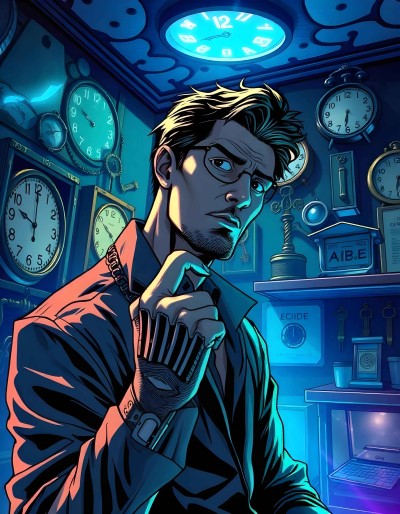
Time fractures through hybrid grasp.

What Does the Thinker Do in Escape Rooms? ๐Ÿ›  ๏ธ

The Thinker enhances the escape room experience by bringing logic and structure to the team’s problem-solving efforts ๐Ÿ— ๏ธ.

Evaluates Options Thoroughly โš– ๏ธ ๐Ÿ”

When faced with multiple possibilities, the Thinker carefully weighs evidence and considers outcomes before making a decision. This prevents the team from wasting time on unproductive paths ๐Ÿค”.

Encourages Critical Thinking ๐Ÿ’ญ ๐Ÿคจ

By asking thoughtful questions and inviting deeper analysis, the Thinker encourages the team to think strategically โ™Ÿ ๏ธ. This often leads to creative breakthroughs that wouldn’t emerge from hasty trial-and-error approaches.

Enhances Problem-Solving ๐Ÿงฉ ๐Ÿ“ˆ

Many escape room puzzles rely on logic, deduction, and step-by-step reasoning. The Thinker naturally excels here, providing structured methods to solve challenges U+31 ๏ธ โƒฃU+32 ๏ธ โƒฃU+33 ๏ธ โƒฃ.

Prevents Costly Mistakes โŒ ๐Ÿ›ก ๏ธ

Impulsive decisions can lock the team into dead ends or cause them to overlook important details. The Thinker’s cautious approach minimizes errors and maximizes efficiency ๐Ÿ‘€.

When Does the Thinker Shine in Escape Rooms? โœจ

The Thinker’s strengths come to the forefront during complex, high-stakes moments of the game ๐Ÿคฏ.

When Facing Challenging Decisions โš– ๏ธ ๐Ÿคฏ

Escape rooms often present branching paths or puzzles with multiple interpretations. The Thinker’s ability to weigh pros and cons helps the team make informed choices that lead to progress  โžก ๏ธ.

During Brainstorming Sessions ๐ŸŒช ๏ธ ๐Ÿ’ก

When ideas are flowing rapidly, discussions can become chaotic. The Thinker organizes thoughts, filters possibilities, and helps the group focus on the most promising strategies ๐Ÿƒ‍โ™‚ ๏ธ.

Throughout the Entire Game ๐Ÿ•’ ๐Ÿง 

Unlike some personas that shine in bursts of energy, the Thinker’s contributions are consistent โš“. Their steady logical input keeps the team grounded from start to finish.

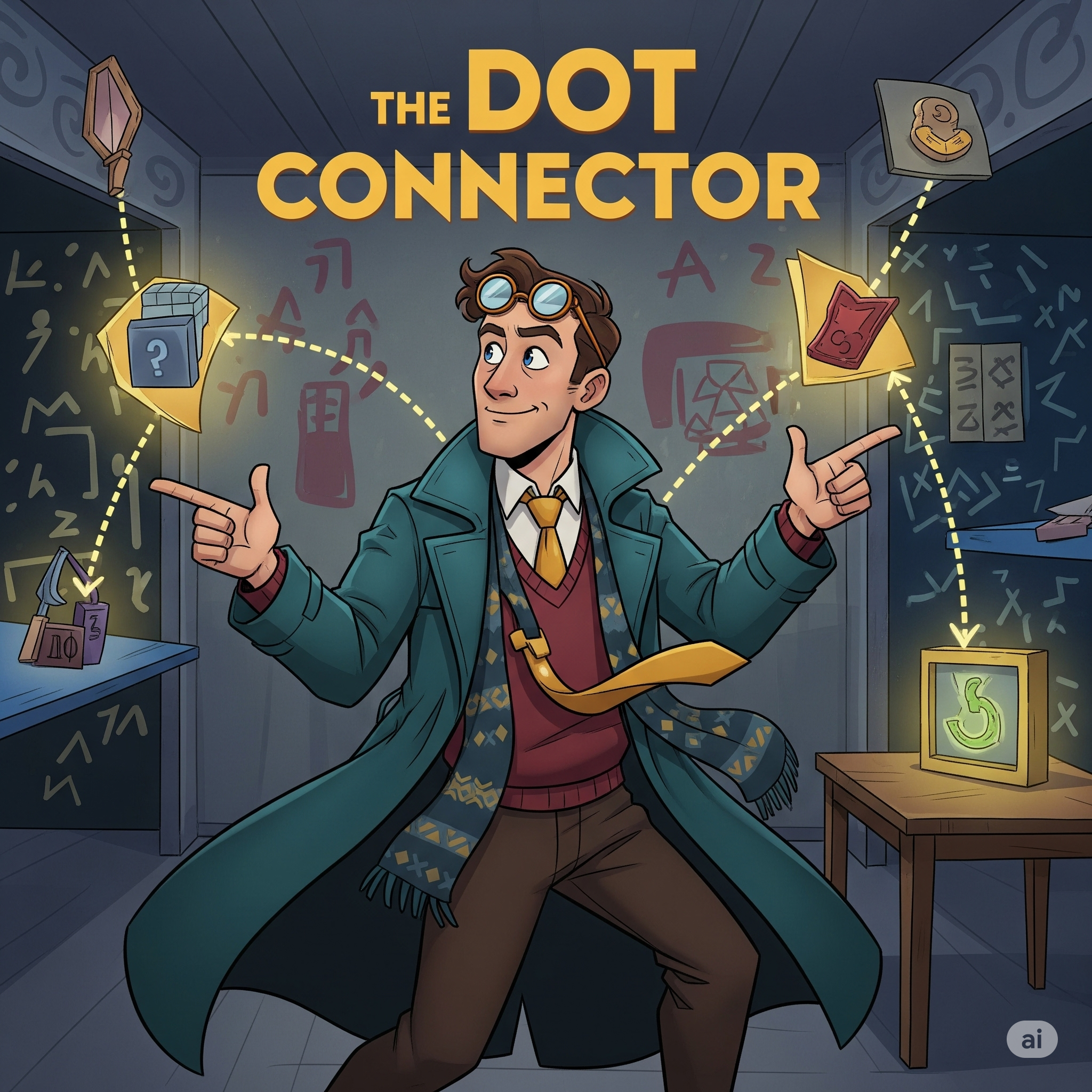
Plans unfold beneath torchlit tension.

Where Does the Thinker Make the Biggest Impact? โš– ๏ธ

The Thinker thrives in environments where logic and careful evaluation are essential:

  • ๐Ÿงฉ Puzzle-Heavy Rooms: Escape rooms that emphasize riddles, codes, and deductive reasoning highlight the Thinker’s strengths.
  • โš  ๏ธ Decision-Based Challenges: In scenarios where wrong choices lead to setbacks, the Thinker’s deliberation prevents missteps.
  • ๐Ÿ‘ฅ Team Dynamics: In groups prone to rushing or overlooking details, the Thinker’s steady analysis balances impulsivity.

In essence, the Thinker is most impactful in rooms where rash decisions could โณ ๐Ÿšช waste time or derail the team’s progress.

Why Does a Team Need a Thinker in Escape Rooms? ๐Ÿ” ๐Ÿค

The Thinker’s presence ensures that decisions are not only fast but smart. Their analytical approach provides structure and prevents chaos from overwhelming the team ๐Ÿงฉ.

Thoughtful Decision-Making ๐Ÿง

The Thinker ensures that every choice is backed by reason, minimizing wasted effort and preventing unnecessary errors โœ… ๐Ÿ”Ž.

Balance Against Impulsivity โš– ๏ธ

Other personas may bring energy, creativity, or urgency, but without the Thinker, those strengths can turn into recklessness. The Thinker balances the group with logic ๐Ÿง˜‍โ™‚ ๏ธ ๐Ÿง .

Strategic Advantage ๐Ÿš€

By approaching puzzles methodically, the Thinker often uncovers insights others overlook. Their strategies frequently create breakthroughs that accelerate progress ๐Ÿ” ๐Ÿ’ก.

Team Cohesion ๐Ÿค

The Thinker fosters constructive discussions, ensuring all perspectives are considered. This enhances collaboration and prevents conflicts driven by rushed decisions ๐Ÿงญ ๐Ÿ›‘.

๐Ÿงฉ โš– ๏ธ How Can You Be a Better Thinker in Escape Rooms?

For players who identify with the Thinker persona, there are ways to maximize their impact while avoiding potential pitfalls ๐Ÿ”Ž.

Analyze Puzzles Carefully ๐Ÿงฌ

Take time to study challenges thoroughly. Look for patterns, logical structures, and hidden connections before committing to a solution ๐Ÿง .

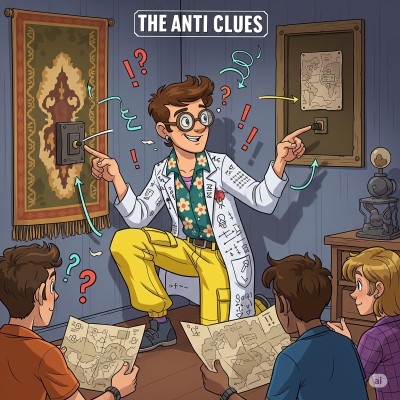
Exploration deepens through thoughtful alliance.

Encourage Team Discussions ๐Ÿ—ฃ ๏ธ

Don’t keep insights to yourself share your reasoning and invite input from others. Collaboration strengthens analysis and leads to more effective solutions ๐Ÿค ๐Ÿ’ฌ.

Promote Critical Thinking โ“

Ask questions that challenge assumptions: “What evidence do we have?” or “Does this pattern repeat elsewhere?” ๐Ÿ” ๐Ÿงฉ These prompts encourage deeper thought.

Balance Speed with Caution โฑ ๏ธ

While careful deliberation is your strength, be mindful of the ticking clock. Don’t let analysis turn into paralysis sometimes progress ๐Ÿšถ‍โ™‚ ๏ธ ๐Ÿ’ก requires decisive action.

Reflect After Each Game ๐Ÿชž

After completing an escape room, consider how your logical approach influenced the team. Did your analysis help? Were there moments when quicker action was needed? Reflection sharpens your future performance ๐Ÿ” ๐ŸŽฏ.

Mystery builds through collective insight.

Real-Life Scenario: The Thinker in Action ๐Ÿ” ๐ŸŽฏ

Imagine a team working through a code-based puzzle with multiple possible solutions. Some teammates want to rush ahead, trying combinations at random. The Thinker steps in, calmly analyzing the clues ๐Ÿง˜‍โ™‚ ๏ธ ๐Ÿ”:

  • ๐Ÿง  They notice that a sequence of symbols matches a numerical pattern.
  • ๐Ÿ“Š They explain the logic to the group, breaking it into clear steps.
  • ๐Ÿ”“ The team follows their method, and within minutes, the correct code unlocks a crucial clue.

In this moment, the Thinker not only saves time but also boosts team morale by showing how careful reasoning leads to success ๐Ÿง  ๐Ÿš€.

Final Thoughts: Importance of The Thinker ๐Ÿง 

Escape rooms are a unique blend of high energy, fast-paced problem-solving, and intense teamwork. They push participants to balance creativity, speed, collaboration ๐Ÿงฉ ๐Ÿค, and focus in order to solve puzzles before the clock runs out. Amid the excitement, it is easy for chaos to take over people rush into decisions, overlook crucial details, or chase red herrings without a clear plan. In this environment โฑ ๏ธ ๐Ÿšช, the Thinker the Logical Deliberator emerges as one of the most important stabilizing forces on any escape room team. Their calm, rational, and analytical nature transforms the collective effort from hurried guesswork into deliberate, strategic problem-solving โฑ ๏ธ.

 
At their core, Thinkers excel at slowing down the chaos. While others may be swept up by adrenaline ๐Ÿ›‘ ๐Ÿง , the Thinker brings clarity by asking: Does this make sense? Is this the right step to take? What patterns are we missing? In doing so, they prevent the team from wasting valuable time on hasty decisions or impulsive actions. Their ability to pause, evaluate, and guide discussions ensures that every action is backed by logic and reason, not just urgency. This presence of mind is particularly crucial in escape rooms, where the smallest mistake overlooking a key clue, trying the wrong combination, or misinterpreting instructions can cost the team precious minutes โณ ๐Ÿšซ.


The Thinker’s value lies not only in their caution but also in their ability to analyze complex problems with a clear head. Escape rooms thrive on puzzles designed to confuse, misdirect, or overwhelm players ๐ŸŒ€ ๐Ÿ”. The Thinker approaches these puzzles with methodical precision. Instead of diving in blindly, they break down challenges into smaller, manageable steps, identifying logical sequences and testing solutions systematically ๐Ÿ”ฃ ๐Ÿง . Their analytical nature allows them to see patterns others miss whether in a coded message, a series of numbers, or a sequence of visual clues. This skill often becomes the key to unlocking breakthroughs that might otherwise remain hidden in plain sight ๐Ÿ— ๏ธ โœจ.


Yet the Thinker is not simply a problem-solver; they are also a collaborator. Their presence on the team encourages thoughtful discussion and critical thinking ๐Ÿƒ‍โ™‚ ๏ธ ๐ŸŽจ. By asking clarifying questions and carefully considering different perspectives, they create space for diverse ideas to be tested and refined. This collaborative approach not only enhances the quality of decisions but also ensures that the team feels united and heard. Whereas other personas might lean heavily into competition, speed, or creativity, the Thinker provides balance, reminding the group that success comes from combining innovation with reason ๐Ÿ’ฌ ๐Ÿงฉ.


Another defining strength of the Thinker is their composure under pressure. Escape rooms are designed to generate tension the ticking clock, the locked doors โš– ๏ธ ๐Ÿ’ก, the puzzles that refuse to yield their secrets. In these moments, stress can cause panic, leading players to overlook obvious solutions or repeat ineffective strategies. The Thinker, however, remains steady. Their calm presence diffuses anxiety and reassures teammates that progress is still possible. By keeping emotions in check, they help the group conserve energy, avoid rash mistakes, and sustain focus until the very end ๐Ÿ•ฐ ๏ธ ๐Ÿšช.

Users with this Persona

Rookie Escaper I

Ethan Cross

The Thinker

Love this Persona? Make It Yours!

Do you see yourself in this persona?
Click below to add it to your profile and show the community who you are!

Claim This Persona

More Personas

The Detail Oriented

Escape Rooms and the Detail Oriented: Spotting Every Clue

The Workhorse

Keeps going tirelessly, putting in consistent effort throughout the game.

The Peacekeeper

Calms tensions and resolves disagreements within the team.

The Mechanic

Expert in figuring out mechanical or logic-based puzzles.

The Supporter

Assists wherever needed, providing help without seeking the spotlight.

The Explorer

Ventures into every corner, always searching for new areas to investigate.

Escaperx Agent